


Page 104 - Svetilnik_13
P. 104
102
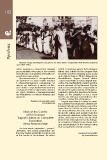
Индира Ганди (четвърта от дясно на ляво) като студентка във Вишва Бхарати
през 1934–1935 г.
ната култура и общество трябва cated a teaching system that analysed
да поставят свои цели и въз основа history and culture for the progress that
на това да се определи от какво об- has been made in breaking down social
разование има нужда. and religious barriers. While talking about
Препитанието и осигуряването Shantiniketan, Tagore himself states:
на заетост са заели първи позиции „Once I had taken a vow to impart edu-
в образователното планиране, но cation, the creative field of which was the
целта на живота е много по-вис- poetic universe of the Supreme Creator
ша – това е стремежът към пълнота and so I had invoked the cooperation of
и съвършенство. В идейните нагласи the land, the water and sky of this place.
на Тагор човекът и еманципацията I wished to place the penance for Know-
на човешкото са винаги водещ при- ledge on the pedestal of Joy...I have
оритет. tried to use both joy and intellect in the
creative construction of this place.“
Превод от английски език: Tagore says there is a need to deve-
Елена Щерева lop a system that draws from diverse civi-
lizational histories and cultures and at the
same time he felt the need to discover
Man at the Centre our own pathways, because each coun-
try and its culture and society must find
of the Universe its goals and objectives, rather than copy
Tagore�s Ideas on Complete others, and based on these decide what
Education kind of education system it needs. In Tago-
Udaya Narayana Singh re�s scheme of things it was always man
and emancipation of the human being
that occupied his central concern.
The four words „aspiration“, „power“,
„freedom“ and „moral communion“ de-
fine how Tagore would like to place man Translated from English
at the centre of his universe. He advo- by Elena Shtereva

